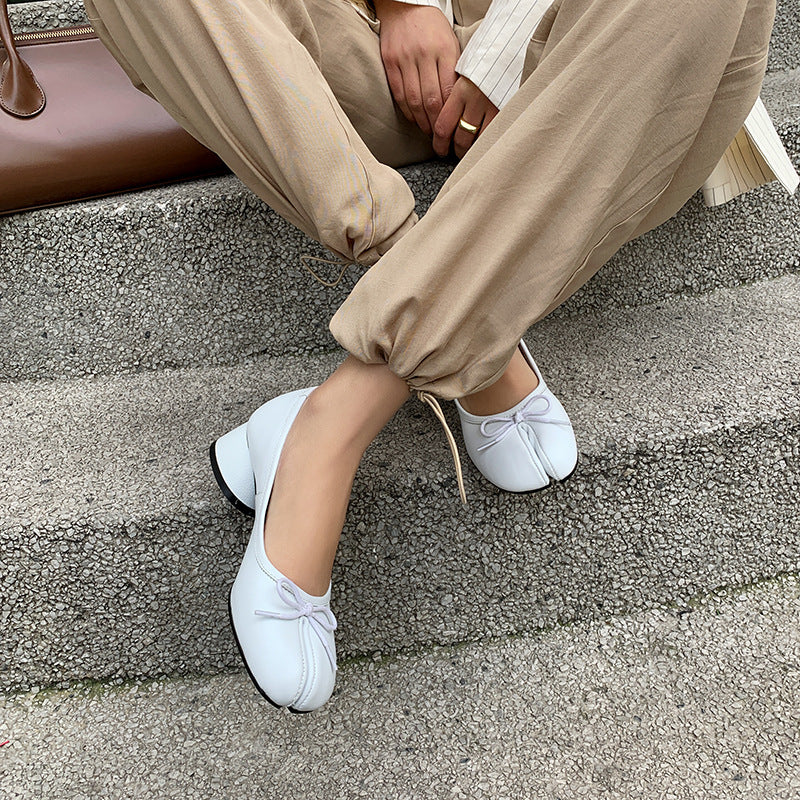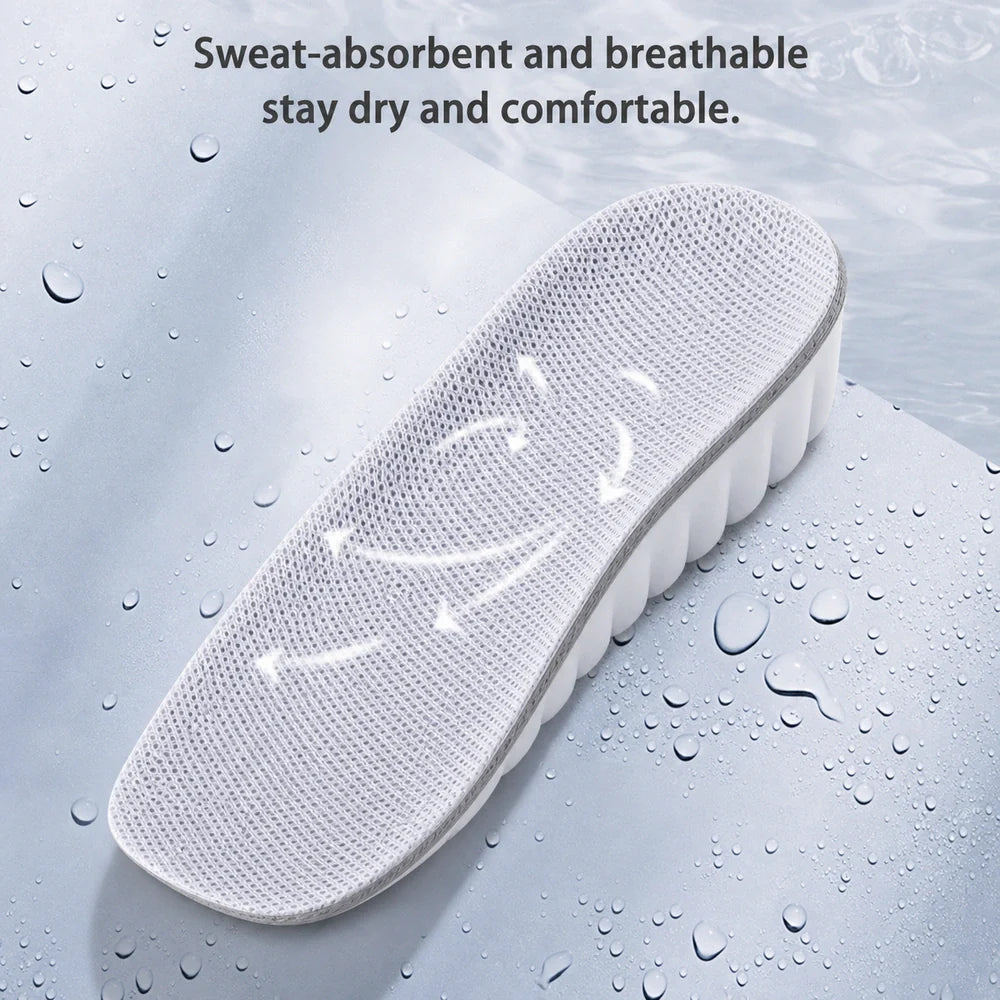

Height increase insoles are a simple way to add a small amount of extra height inside your existing shoes. Instead of changing the outside appearance of your footwear, they sit inside the shoe and raise the heel or the full foot slightly, depending on the design.
For first-time users, the idea sounds straightforward: place the insole inside your shoe and gain extra height. In real life, comfort, shoe space, walking feel, and the height you choose all matter. This guide explains how height increase insoles work, what they feel like, and how to use them in a practical way.
What Are Height Increase Insoles?
Height increase insoles are shoe inserts designed to raise your foot inside the shoe. Most styles add lift at the heel, while some offer more cushioning or a longer shape to support more of the foot.
They are commonly used in sneakers, boots, casual shoes, and some dress shoes. The best fit usually depends on how much room your shoe has inside. A deeper shoe or boot normally works better than a very low-cut or narrow shoe.
A height insole may help you:
- Add subtle extra height
- Improve the way certain shoes fit
- Create a more balanced look with outfits
- Add cushioning under the heel
- Avoid buying a separate pair of elevator shoes
The key is choosing a height that feels natural, not just the tallest option available.
How Do Height Increase Insoles Actually Work?
Height increase insoles work by lifting the heel or footbed inside the shoe. When your heel is raised, your overall standing height increases by the amount of lift the insole provides.
For example, if an insole adds around 1 inch of lift, your heel sits about 1 inch higher inside the shoe. From the outside, the shoe may look mostly the same, especially if the shoe has enough depth to cover the raised heel area.
Some height insoles are made with layered sections, so users can adjust the amount of lift. Others come in a fixed height. Adjustable designs can be useful because beginners may want to start lower and gradually increase the height once they get used to the feeling.
Do Height Insoles Feel Different When Walking?
Yes, they can feel different at first. When your heel is raised, your foot angle changes slightly. This is similar to how different shoes feel when switching from flat sneakers to boots or dress shoes with a thicker heel.
Most people adjust more easily when they start with a moderate lift. A lower height usually feels more natural for daily wear, while a higher lift may require more shoe space and more time to get used to.
If you are new to height increase insoles, try wearing them at home first. Walk around for 15–30 minutes and notice how your shoes feel. If your toes feel squeezed, your heel slips, or the top of your foot feels pressed, the shoe may not have enough room for that insole height.
What Height Should Beginners Choose?
For most first-time users, a subtle lift is easier to wear than a very high one. A lower profile can feel more stable and is usually easier to fit inside everyday shoes.
Here is a simple way to think about it:
| Lift Height | Best For | Things to Consider |
|---|---|---|
| Low lift | Daily wear, sneakers, casual shoes | Usually easier to hide and more comfortable |
| Medium lift | Boots, roomier sneakers, occasional use | May need more shoe depth |
| Higher lift | Special occasions or shoes with extra space | Can feel less natural if used too quickly |
The right choice depends on your shoes, your foot shape, and how long you plan to wear them. If comfort is your priority, start lower and increase gradually only if your shoes allow it.
What Shoes Work Best with Height Increase Insoles?
Not every shoe works equally well with height insoles. The insole takes up space inside the shoe, so the best shoes are usually those with a deeper interior.
Good options often include:
- High-top sneakers
- Casual boots
- Work boots
- Roomy athletic shoes
- Some lace-up casual shoes
Shoes that may be harder to use include:
- Very shallow loafers
- Tight dress shoes
- Slip-ons with low side walls
- Shoes that already feel narrow
- Shoes with little heel coverage
A simple test is to remove the original insole if possible, place the height insole inside, and check whether your foot still sits securely without pressure.
Are Height Increase Insoles Noticeable?
They can be discreet when paired with the right shoes. The most noticeable issues usually happen when the insole is too tall for the shoe. In that case, the heel may sit too high, the foot may look pushed upward, or walking may feel less natural.
To keep the look subtle:
- Choose shoes with enough heel coverage
- Avoid using a high lift in low-cut shoes
- Wear them at home first before going out
- Start with a lower lift for daily wear
- Make sure your heel does not slip out while walking
The goal is not just to add height. The goal is to keep the shoe comfortable and natural-looking.
Can Height Increase Insoles Be Comfortable?
They can be comfortable if the height, shoe, and fit work well together. Comfort usually depends on three things: cushioning, stability, and space.
A cushioned insole may feel better under the heel. A stable base helps reduce the feeling of wobbling. Enough shoe space prevents the foot from being squeezed.
If the shoe becomes too tight after adding an insole, it usually means the shoe is not a good match for that lift height. In that case, trying a lower lift or a roomier shoe may work better.
For an everyday option, you can compare a pair such as the SHOEZEA Orthopedic Height Lift Insoles here:
https://shoezea.com/products/shoezea-orthopedic-height-lift-insoles
Tips for First-Time Users
If this is your first time trying height increase insoles, use them gradually. Wearing them for a full day immediately may not be the best idea, especially if you choose a medium or higher lift.
A practical beginner routine:
- Try them at home first.
- Wear them for a short walk.
- Check whether your toes, arch, or heel feel pressure.
- Use them in shoes with enough depth.
- Increase wearing time slowly.
Also, pay attention to how your body feels. If you already have foot pain, ankle issues, or posture concerns, it is better to speak with a qualified professional before wearing any type of lift regularly.
Final Thoughts
Height increase insoles are simple, but getting the right result depends on fit. A well-chosen pair should feel secure, fit inside your shoes properly, and add height without making your walk feel awkward.
For beginners, the best approach is to start with a practical lift, choose shoes with enough room, and give yourself time to adjust. A subtle, comfortable fit will usually be more useful than choosing the highest lift possible.
FAQ
Do height increase insoles really add height?
Yes. They raise your heel or foot inside the shoe, which can add visible height while standing or walking.
Can I use height insoles in any shoes?
Not always. They work best in shoes with enough interior space, such as boots, high-top sneakers, and roomy casual shoes.
Are height increase insoles good for daily wear?
They can be suitable for daily wear if the lift is moderate and the shoes still fit comfortably. Beginners should start with shorter wearing periods.
Will people notice I am wearing height insoles?
Usually not if the insoles are paired with the right shoes. Low-cut or tight shoes may make them more noticeable.
Should I remove the original shoe insole first?
In many shoes, removing the original insole can create more space. However, it depends on the shoe design and how the height insole fits.